


Below is a ~1000-word, high-quality, SEO-optimized guide on how to rank a website using ChatGPT-generated content. It is written in a clear, practical, and actionable style so you can use it directly on your blog or training material.
Boost your website ranking effortlessly with ChatGPT-Generated Content: A Practical, Modern Guide
Ranking a website in search engines like Google has never been more competitive—or more dependent on the quality, depth, and usefulness of your content. As AI-generated content becomes increasingly common, many website owners wonder whether they can use tools like ChatGPT to produce content that actually ranks.
The short answer is yes—but only if you use ChatGPT strategically. AI should be treated as a content creation assistant, not a magic button. When used correctly, it can help you create authoritative, search-optimized, human-centred content at scale.
This guide covers exactly how to rank a website using ChatGPT content, even in competitive niches.
1. Understand What Search Engines Actually Want
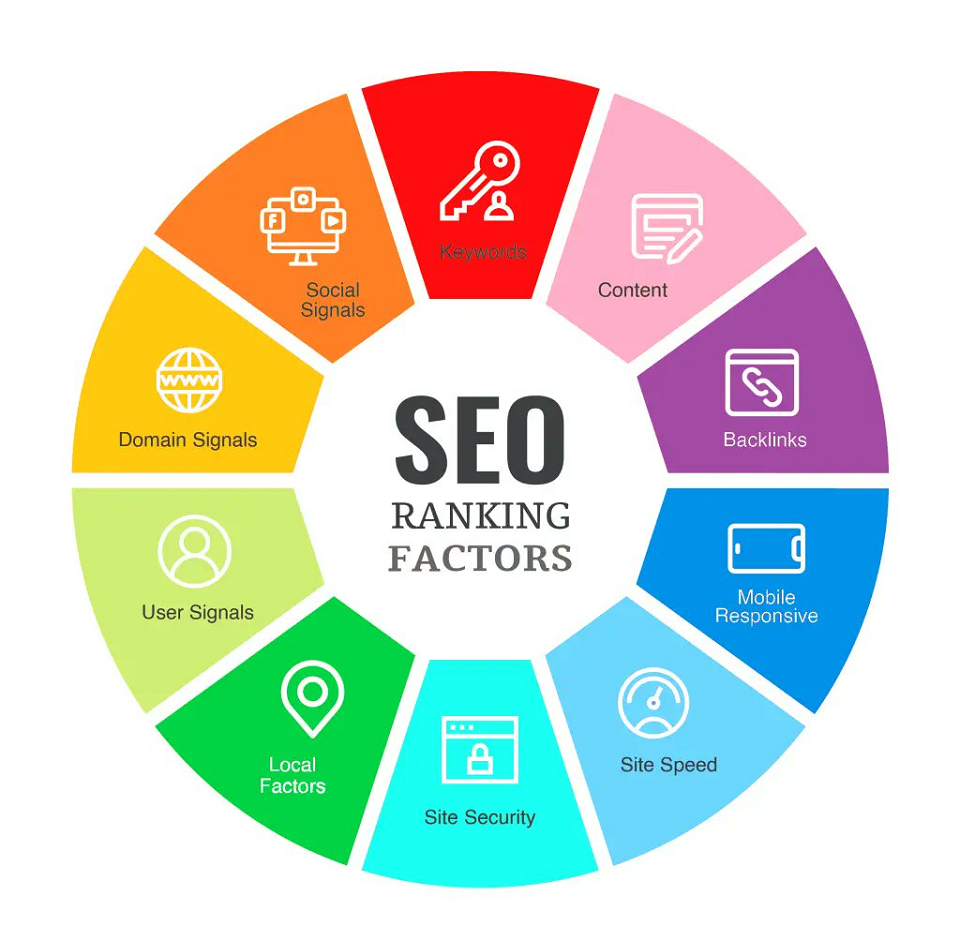
Before producing AI-assisted content, you must know what search engines value today. Ranking is no longer about keyword stuffing or volume. Instead, search engines favour:
✔ Authority
Search engines want content that comes from a trustworthy source and demonstrates expertise.
✔ Relevance
Your content must match the user’s intent—whether they seek information, products, comparisons, or tutorials.
✔ User Experience
Content should be clear, easy to read, structured, and mobile-friendly.
✔ Originality
AI content must be refined with unique insights, examples, or data. Purely generic text will not rank.
✔ Depth and Accuracy
Modern search algorithms reward content that thoroughly answers a query with factual correctness.
ChatGPT can help you accomplish these goals, but only when guided effectively.
2. Begin With Strong Keyword and Intent Research
ChatGPT is not a substitute for keyword research—but it can speed it up dramatically.
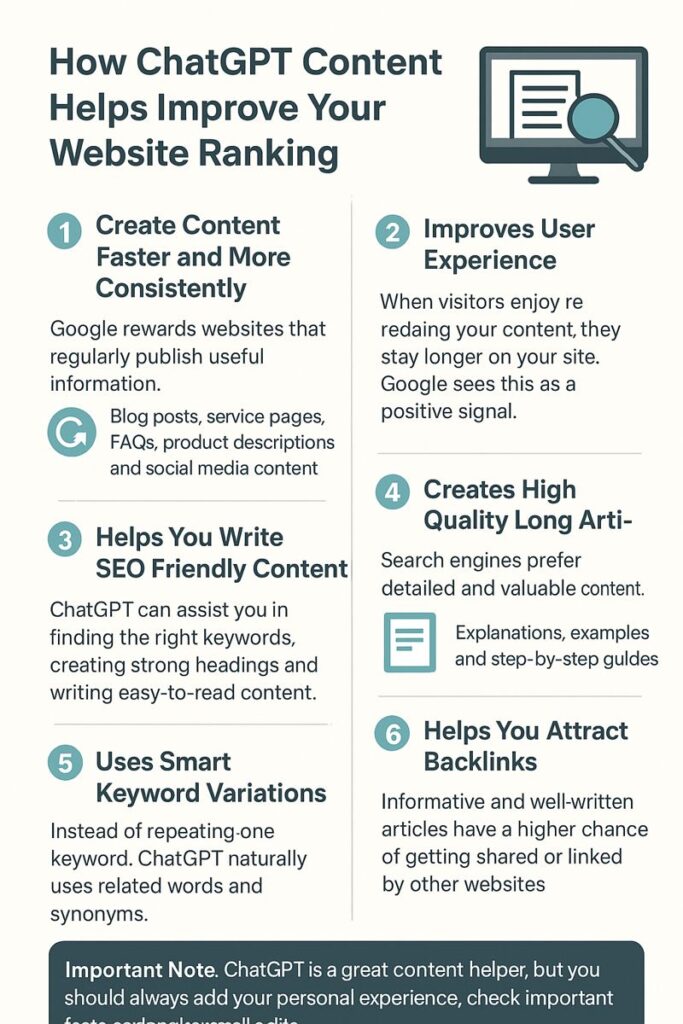
How to use ChatGPT for keyword research:
Prompt example:
“Generate a keyword cluster for ‘best running shoes’ including search intent, difficulty level, and content format recommendations.”
This can give you:
- Primary keywords
- Secondary keywords
- Semantic keywords
- Intent (informational, transactional, etc.)
- Suggested content types (blogs, comparisons, guides)
Why this matters
Choosing the right keyword is 50% of ranking success. ChatGPT helps you organize keywords into clusters, which supports a topical authority strategy, improving your site’s ability to rank for related search terms.
3. Build a Content Outline That Matches Search Intent
Before writing, ChatGPT should help you build a strategic outline based on top-ranking pages.
Effective outline prompt
“Analyze the top 10 ranking pages for ‘how to start a podcast’ and create a comprehensive outline that covers all major topics they share, plus unique angles they missed.”
This ensures your content:
- Matches search intent
- Covers all essential topics
- Adds unique value
A strong outline prevents thin, surface-level AI writing.
4. Use ChatGPT to Create High-Quality, Draft-Level Content
With your outline ready, ChatGPT can now draft the content.
Writing prompt example
“Using the outline above, write a detailed, engaging, human-sounding article. Maintain a helpful, expert tone and include real-world examples, clear explanations, and simple readability.”
Best practices for AI-generated writing
- Break sections into short paragraphs
- Use headings (H2, H3) for structure
- Include examples, steps, and comparisons
- Add tables or lists when appropriate
ChatGPT can produce very high-quality drafts, but they must be refined—no AI content should go online without human editing.
5. Add Human Insight, Expertise, and Verification
Content written purely by AI usually sounds generic. To rank, your content must demonstrate E-E-A-T:
- Experience
- Expertise
- Authoritativeness
- Trustworthiness
Add human value by including:
- Personal experiences
- Case studies
- Quotes from real experts
- Screenshots, images, or custom visuals
- Updated facts and data
- Opinions or unique insights
Search engines prioritize content that feels authentic and experience-driven, not robotic.
6. Optimize the Content for On-Page SEO
Once the content is finalized, use ChatGPT for optimization.
Ask ChatGPT to optimize:
1. Title tags
2. Meta descriptions
3. Header structure
4. Keyword placement
5. Semantic keyword usage
6. FAQ sections
7. Internal linking suggestions
Example prompt:
“Optimize this article for SEO. Provide an SEO title, meta description, header improvements, FAQ section, and internal link opportunities.”
Don’t forget:
- Use the primary keyword in the first paragraph
- Include related keywords naturally
- Add structured data (FAQ schema, article schema)
- Include internal links to related content
7. Create Supporting Content for Topical Authority
One article does not build ranking power. Topical authority does.
Use ChatGPT to build:
- Related articles
- Sub-topics
- FAQ pages
- Glossaries
- Resource hubs
Example prompt:
“Generate 15 related article ideas that would build topical authority around the keyword ‘digital marketing strategy’. Categorize by difficulty and intent.”
When search engines realize your website covers an entire topic comprehensively, your pages begin ranking higher.
8. Improve User Engagement Signals
No content ranks if users don’t stay on the page.
Use ChatGPT to enhance:
- Readability
- Call-to-action placement
- Content flow
- Visual suggestions
Also add:
- Infographics
- Bullet lists
- Comparisons
- Step-by-step sections
High dwell time and low bounce rate help pages rise in rankings.
9. Promote the Content to Build Authority and Backlinks
ChatGPT can help generate:
- Outreach emails
- Guest post drafts
- Infographic ideas
- Social media content
- Newsletter summaries
Example outreach prompt
“Write a professional, friendly outreach email asking for a backlink to my article about ‘AI tools for marketing,’ highlighting the value to their readers.”
Backlinks remain one of the strongest ranking factors. ChatGPT helps you scale outreach ethically and efficiently.
10. Continuously Update the Content
Search engines prefer fresh, accurate, and updated content.
ChatGPT can:
- Re-summarize outdated sections
- Update statistics
- Rewrite paragraphs for clarity
- Add new FAQs
- Find missing subtopics
Set a schedule:
- Review top articles every 3–6 months
- Update when new trends appear
Fresh content stays on top.
Final Thoughts
ChatGPT can absolutely help you rank a website—if you use it as a strategic assistant, not an automatic article generator. Search engines reward content that is detailed, helpful, accurate, and human-centered. AI can help you produce this faster, but human insight is what makes it rank.
By combining:
- Strong keyword research
- Structured outlines
- High-quality AI drafting
- Human expertise
- SEO optimization
- Topical authority building
- Promotion and updates
…your website can climb to the top of the search results and stay there.